
The crisis
Her name is not a statistic.But her hunger is.
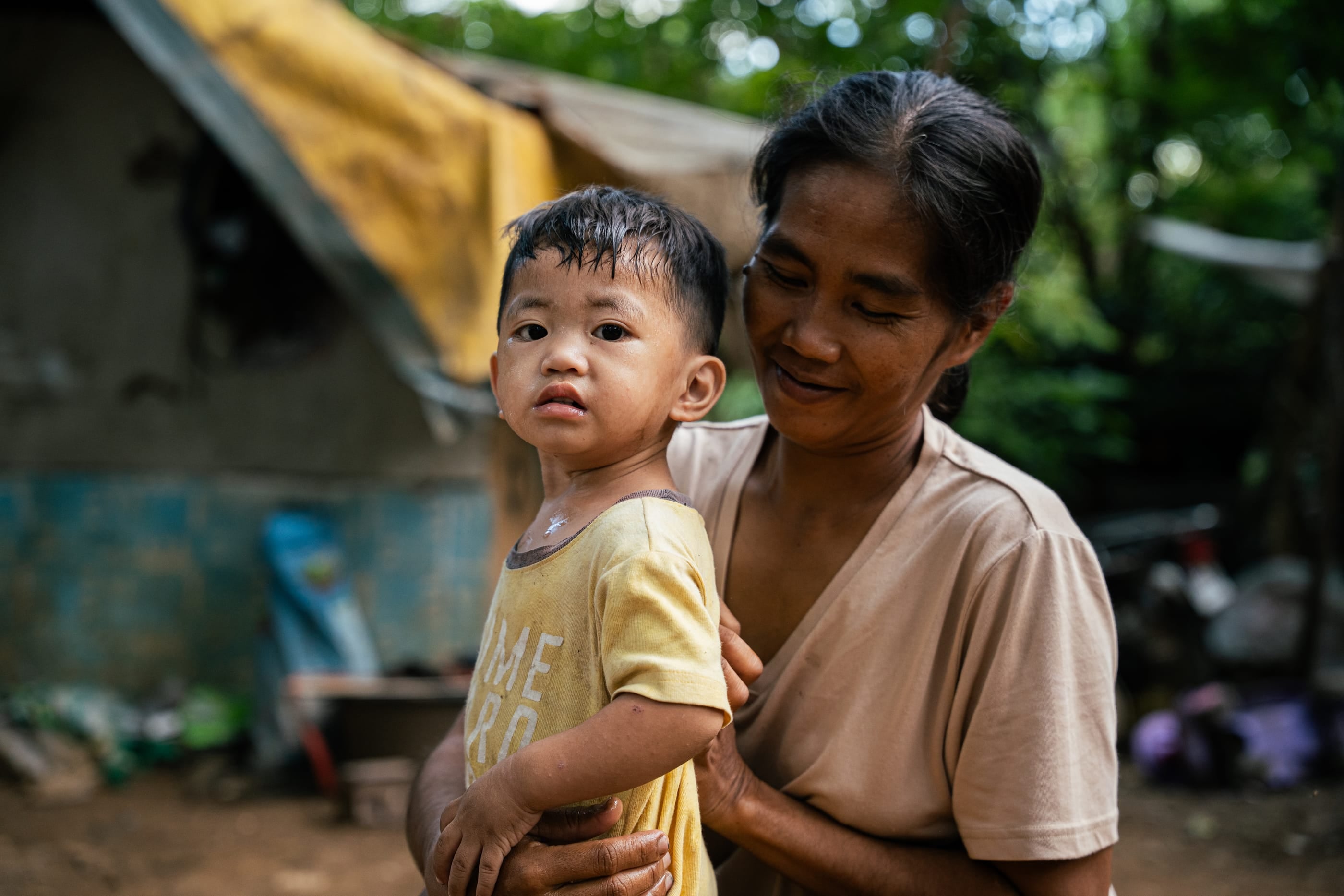
She is a mother. She lives in a home made of scrap wood and corrugated iron in the highlands of Southeast Asia. This morning she woke up before her children and checked what was left of the rice. There wasn’t enough.
So she made a choice that no mother should ever have to make. She fed her youngest first. Then she waited.
Her story has no name on this page. But she is real. And tonight, there are 323 million people like her across Asia, going to bed with that same quiet, invisible hunger.
323 million peoplegoing to bed hungry tonight.
Not last year. Not in a projection. Tonight. Asia is home to more undernourished people than any other region on earth.
That number comes from the United Nations’ State of Food Security and Nutrition in the World 2025 report (FAO, IFAD, UNICEF, WFP & WHO).
Asia grows and eats roughly 90% of the world’s rice. Yet hunger here is not simply a shortage of food. It is a failure of access, distribution, infrastructure, and opportunity: broken distribution, unreachable communities, and a gap between abundance and access that costs millions of people their health, their future, and sometimes their lives.
“I sat in a home in Payatas and watched a mother divide one cup of rice between four children. She didn't eat. She told me she wasn't hungry. She was lying, because that's what mothers do when there isn't enough.”
They call it pagpag.It means landfill food.
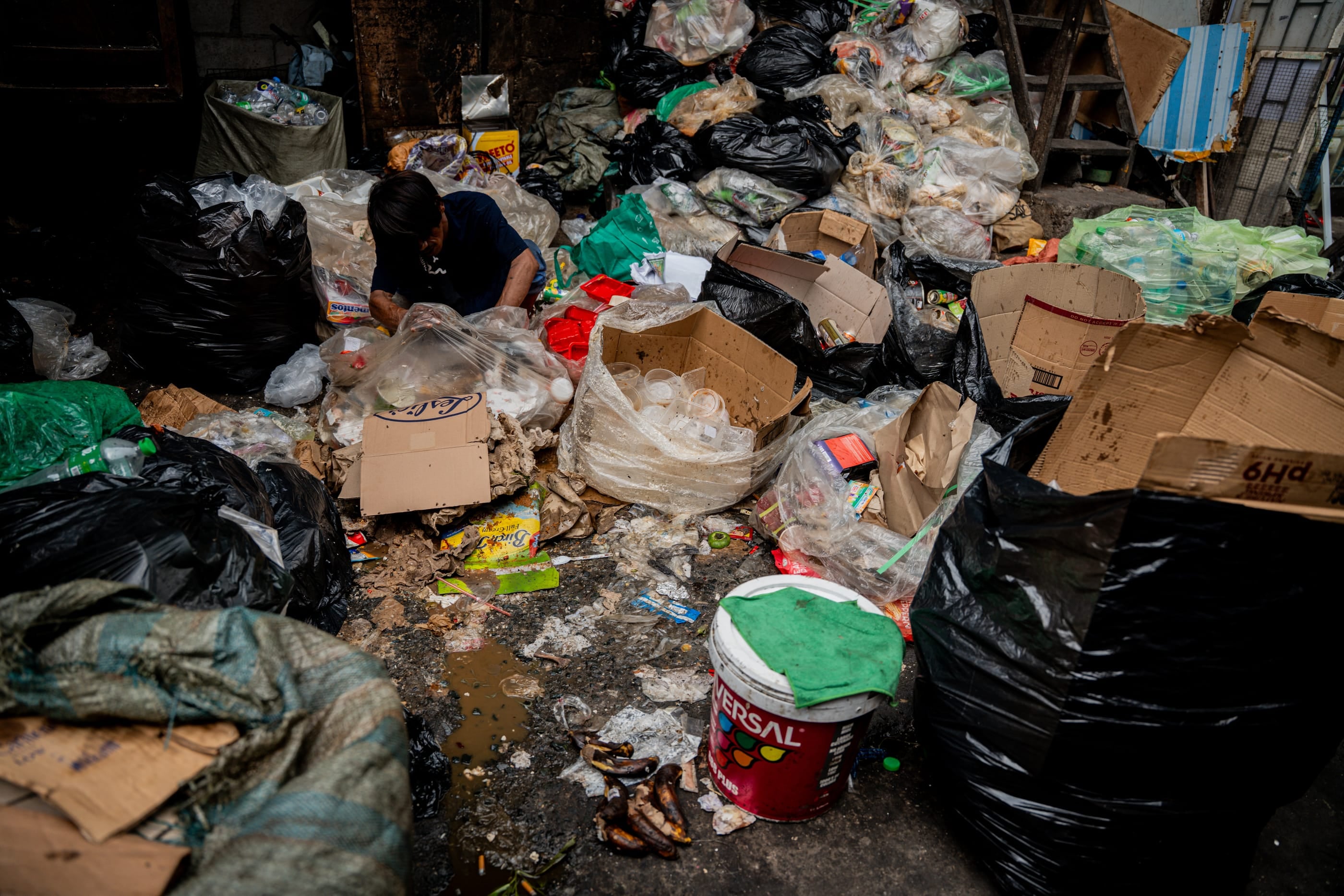
In the Payatas district of Manila, one of the largest informal settlements in Southeast Asia, families collect discarded food from landfills. They wash it. They recook it. They feed it to their children.
It is not a last resort. It is a Tuesday. A Wednesday. Every day of the week for thousands of families who have no other option.
We went to film it. We sat with those families. We watched children eat food that had been thrown away, and we understood, in a way you cannot understand from a report, that this is happening right now, today, in a city that has skyscrapers and shopping malls and Starbucks and a Jollibee on every corner.
The hunger is not hidden. We’ve just chosen not to look.
- Payatas, Manila
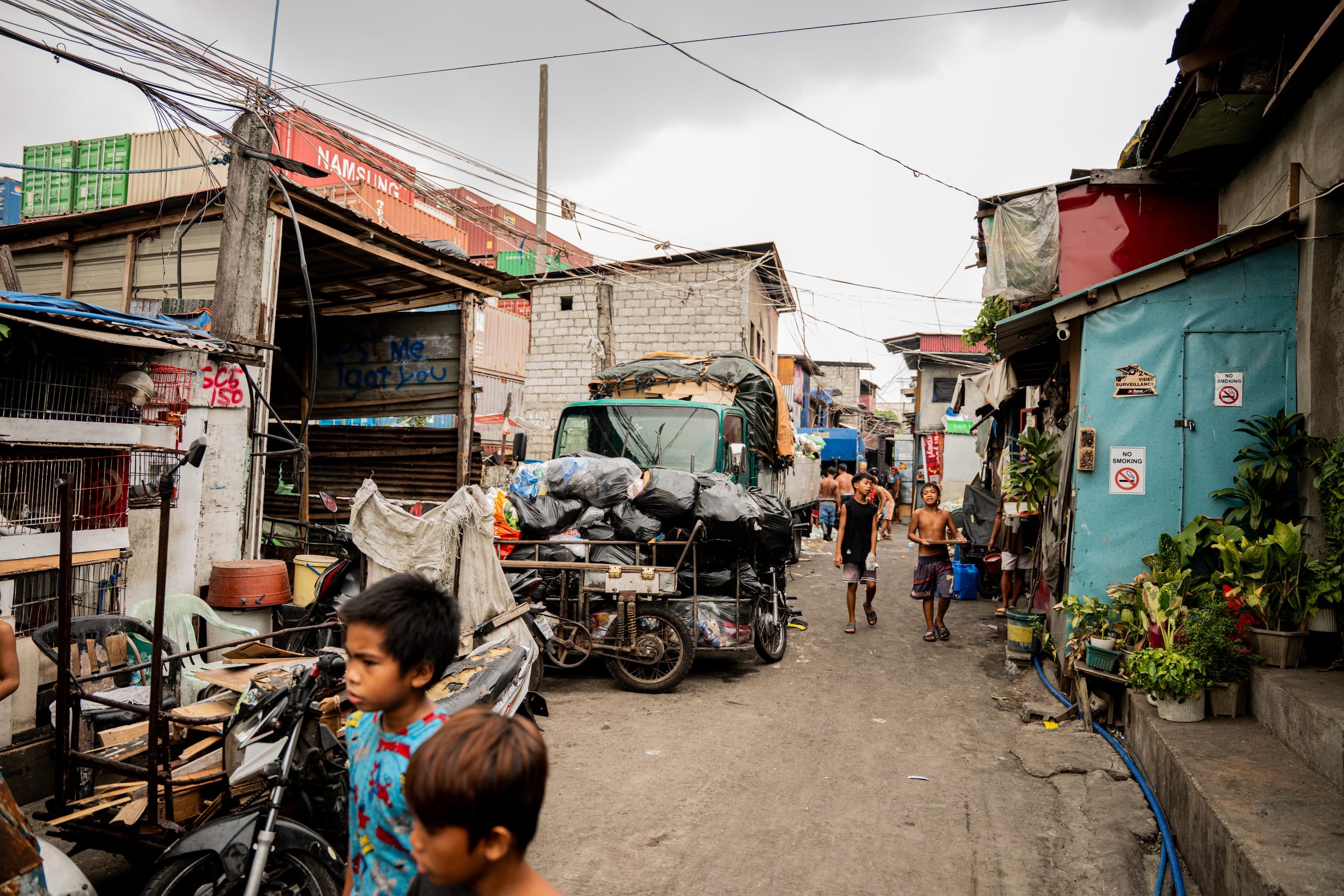
- Walking the settlement
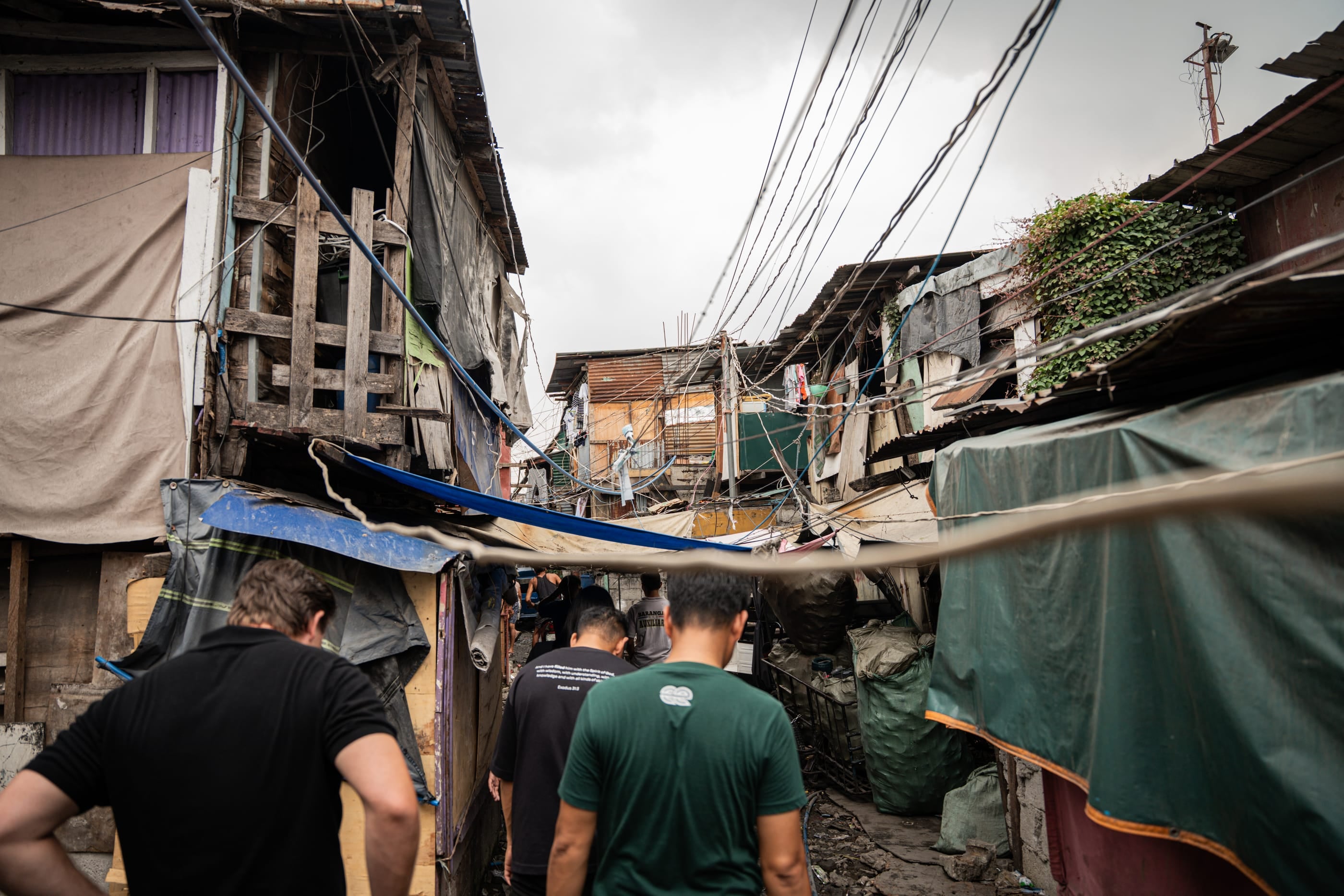
- Where food is sorted from waste
Their bodies stopped growing.Not because of disease. Because of rice.
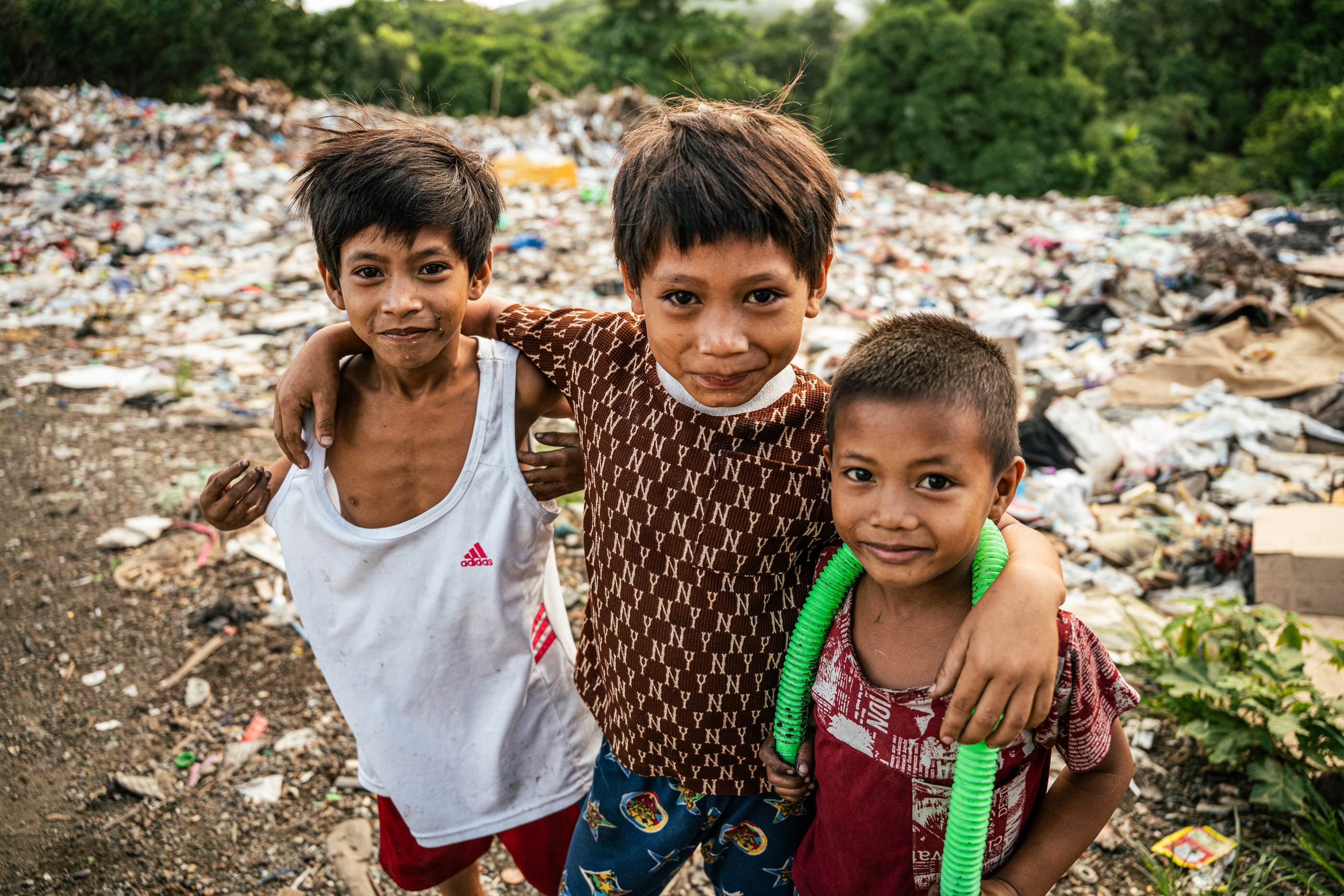
Stunting is what happens when a child doesn’t receive enough nutrition in their first 1,000 days of life. Their body, faced with a choice between growing and surviving, chooses survival. Growth stops. Brain development slows. The effects are permanent and irreversible.
In Southeast Asia, one in four children under five is affected by one or more forms of malnutrition. Not one in a hundred. One in four. Children who will carry the physical and cognitive effects of hunger for the rest of their lives, not because their parents didn’t love them, but because there wasn’t enough rice.
We have sat with these children. We have looked at their faces. We know what it costs a parent to watch their child not grow, and know why.
“Stunting is not just a health outcome. It is a life sentence handed to a child before they ever had a choice.”
“She had walked 20 kilometers, one way, through mountain terrain to receive a single 25kg bag of rice. When she held it, she wept. Not from sadness. From relief so deep it had nowhere else to go. That woman is why we exist.”
No mother should have to choosewhich child eats today.
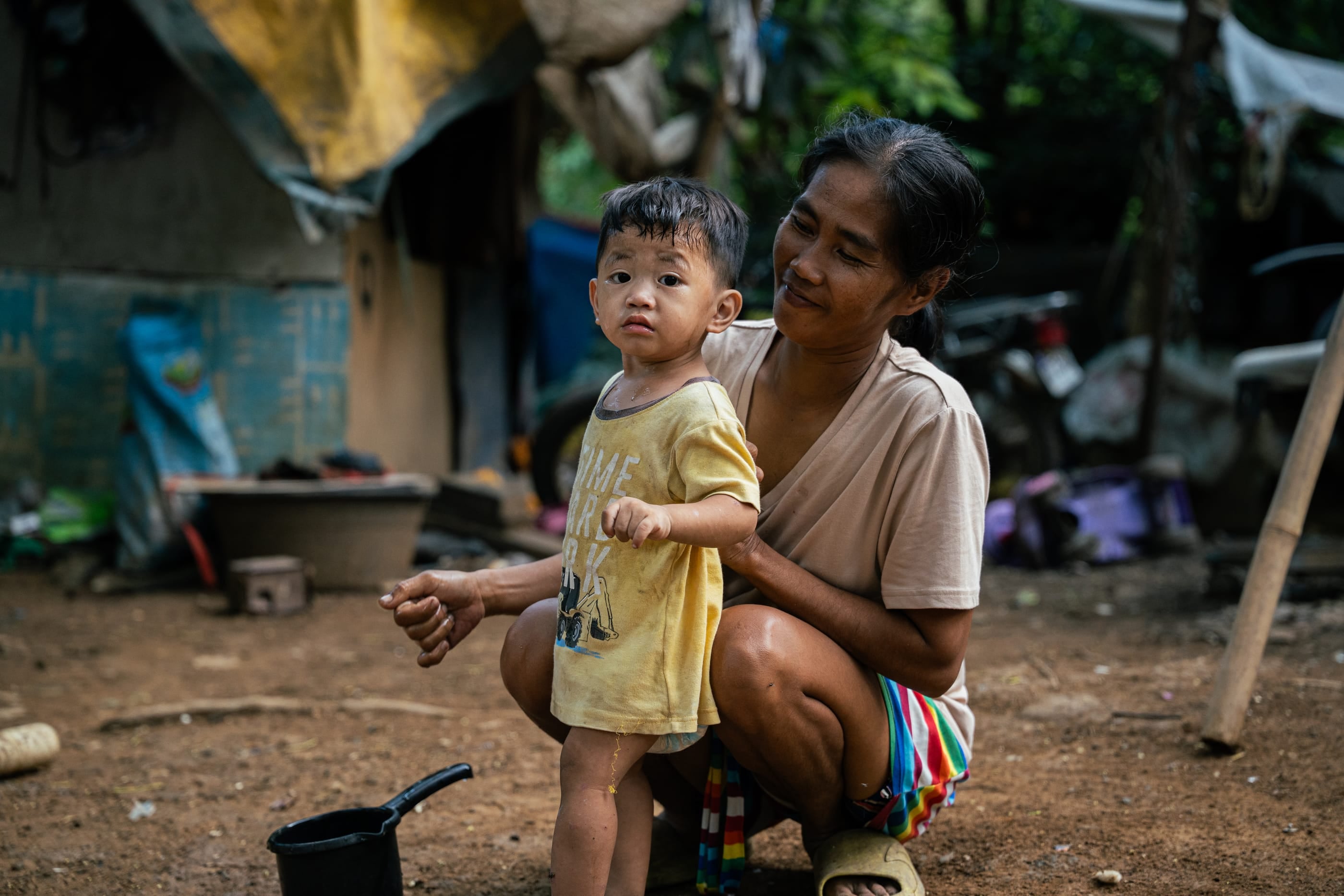
But they do. Every day, across thousands of villages and informal settlements in Asia, mothers make impossible calculations. Half a cup of rice split between three children. The youngest gets fed first. The oldest understands. The mother waits, and calls it not being hungry.
We have sat in these homes. We have drunk tea made from boiled water with women who offered us everything they had. We have heard the quiet in a home where the rice runs out before the month does.
It is a quiet that changes you. It is a quiet that should not exist.
- Undernourished people in Asia, more than any other region on earth
- 323MSOFI 2025
- Children under five in Southeast Asia affected by malnutrition
- 1 in 4UNICEF, WHO, ASEAN, 2021
- Of deaths among children under five globally linked to malnutrition
- ~45%The Lancet, 2013
Hunger is not just suffering.Hunger kills.
Malnutrition is the underlying cause of nearly half of all child deaths under five globally. Not war. Not disease in isolation. Hunger, quietly, invisibly, in homes where there simply was not enough food.
Right now, as you read this, millions of children across Asia are battling stomach pain, stunted growth, weakness, and disease: conditions they cannot overcome simply because they lack proper nutrition. Many survive, but stunted, cognitively impaired, locked into a cycle of poverty that started before they took their first steps.
This is not a distant tragedy. It is happening in countries with airports, smartphone networks, and growing middle classes. The resources exist. The will, until now, has not.
The facts
323 million people across Asia are undernourished.
FAO, IFAD, UNICEF, WFP & WHO, SOFI 20251 in 4 children under five in Southeast Asia is affected by one or more forms of malnutrition.
UNICEF, WHO, ASEAN Regional Nutrition Report, 2021Nearly 45% of deaths among children under five globally are linked to malnutrition.
Black et al., The Lancet, 2013 (cited by WHO/UNICEF)In the slums of Manila, children beg for food and families sort through trash for leftover food waste to survive.
We have seen and filmed it ourselves
This is not a problem without a solution.It is a problem without enough people.
Asia has the land to grow enough rice. It has local leaders and distribution centers ready to reach every family. It has the communities willing to plant, tend, and harvest. What it needs is people outside those communities who are willing to fund what those communities cannot yet fund themselves.
$50 a month feeds one family. One month of that quiet, the quiet that comes when there is enough, given to a mother who has not had it in longer than she can say.
That is what we are asking you for. Not a solution to everything. Just your part of it.
She didn't choose this. But you can change it.
$50 a month. One family. Fed every month. A field report in your inbox so you know it happened.