
Why rice?
Rice is not a charity.Rice is a civilization.
For over 4,000 years, rice has been the foundation of life across Asia. It is not a food. It is the food. We chose rice because rice works, and because in Asia, it always has.
Half the worldeats rice today.
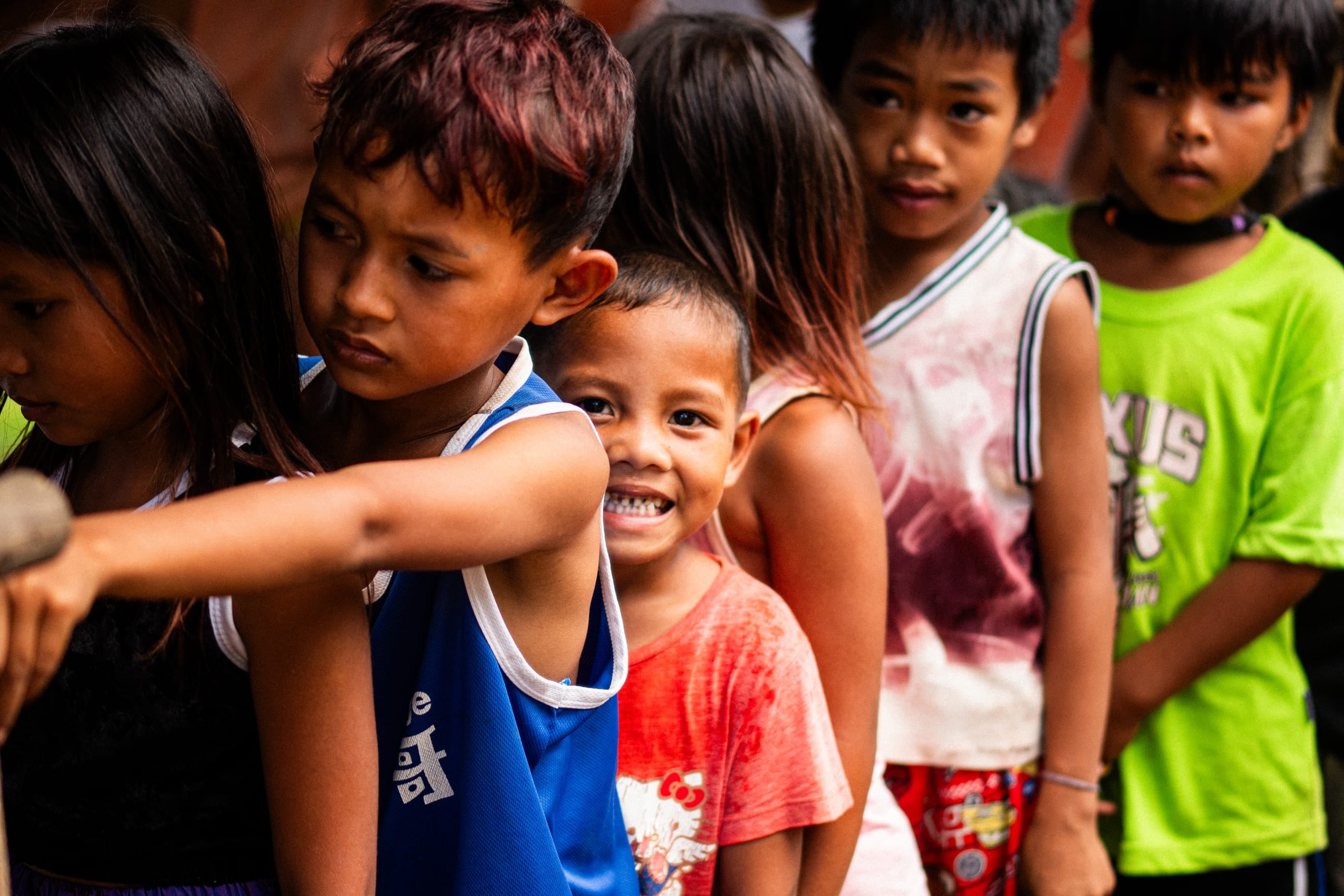
Rice feeds more people than any other crop on earth. In Asia alone, it accounts for up to 70% of daily caloric intake for hundreds of millions of people. It is the first food given to a newborn. It is what a family offers a guest. It is what a mother reaches for when her children are hungry.
When a family runs out of rice, they don’t reach for something else. There is no something else. Rice is the meal, the currency of care, and the difference between a family that is okay and one that is not.
That’s why we chose it. Not because it’s cheap. Because it’s right.
“We didn't choose rice because it was the easiest answer. We chose it because for the people we serve, it is the only answer. It's what they know, what their land grows, and what their bodies need. Our job is to make sure they have enough of it.”
Every decision we make starts here.
We could have chosen any food. Here’s why rice, and only rice, made sense.
Scale
One hectare. 2,000 people. Three times a year.
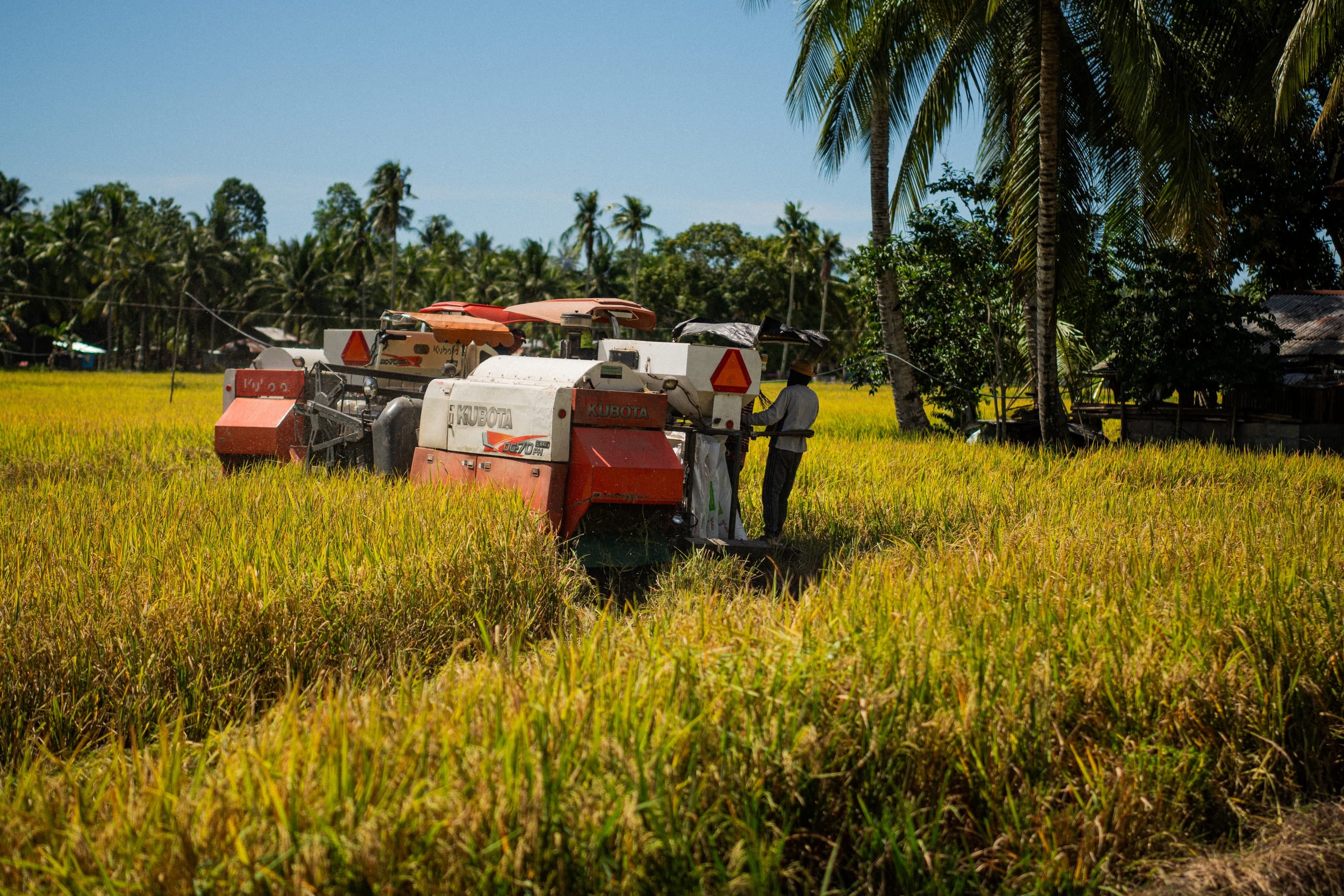
No other staple crop comes close to rice's yield per hectare in tropical Asia. One field, properly tended, produces enough to feed an entire village, with three harvests minimum per year. The math is unbeatable.
Cultural fit
It's what people already eat, grow, and understand.
We don't introduce foreign food into communities that don't know what to do with it. Rice is already the cultural staple. Families know how to cook it, store it, and share it. There's no education gap, no waste, no rejection.
Traceability
A 25kg bag is a perfect unit of accountability.
25 kilograms feeds a family of 4–6 for a full month. It's a number we can count, photograph, and report on. Every bag has a destination before it's packed. Every delivery has a photo.
Storability
Rice keeps. In remote villages, that matters.
Unlike vegetables, meat, or fresh produce, rice stores for months without refrigeration. In highland villages with no electricity and limited transport, this is not a minor advantage. It's the only viable option.
Transportability
A 25kg bag travels on a motorbike, a back, or a boat.
We reach villages that trucks cannot. Rice in 25kg bags can be carried by hand, loaded on motorbikes, passed from person to person up a mountain trail. It gets where it needs to go, even when infrastructure doesn't exist.
Sustainability
What we plant, the community harvests. Forever.
Rice fields are permanent food infrastructure. A percentage of every harvest feeds the village directly; a percentage pays fair wages to the trained local farmers who work the land. A community that learns to grow its own rice doesn't need a delivery from us anymore, and that's exactly the point.
The most important unit in everything we do.
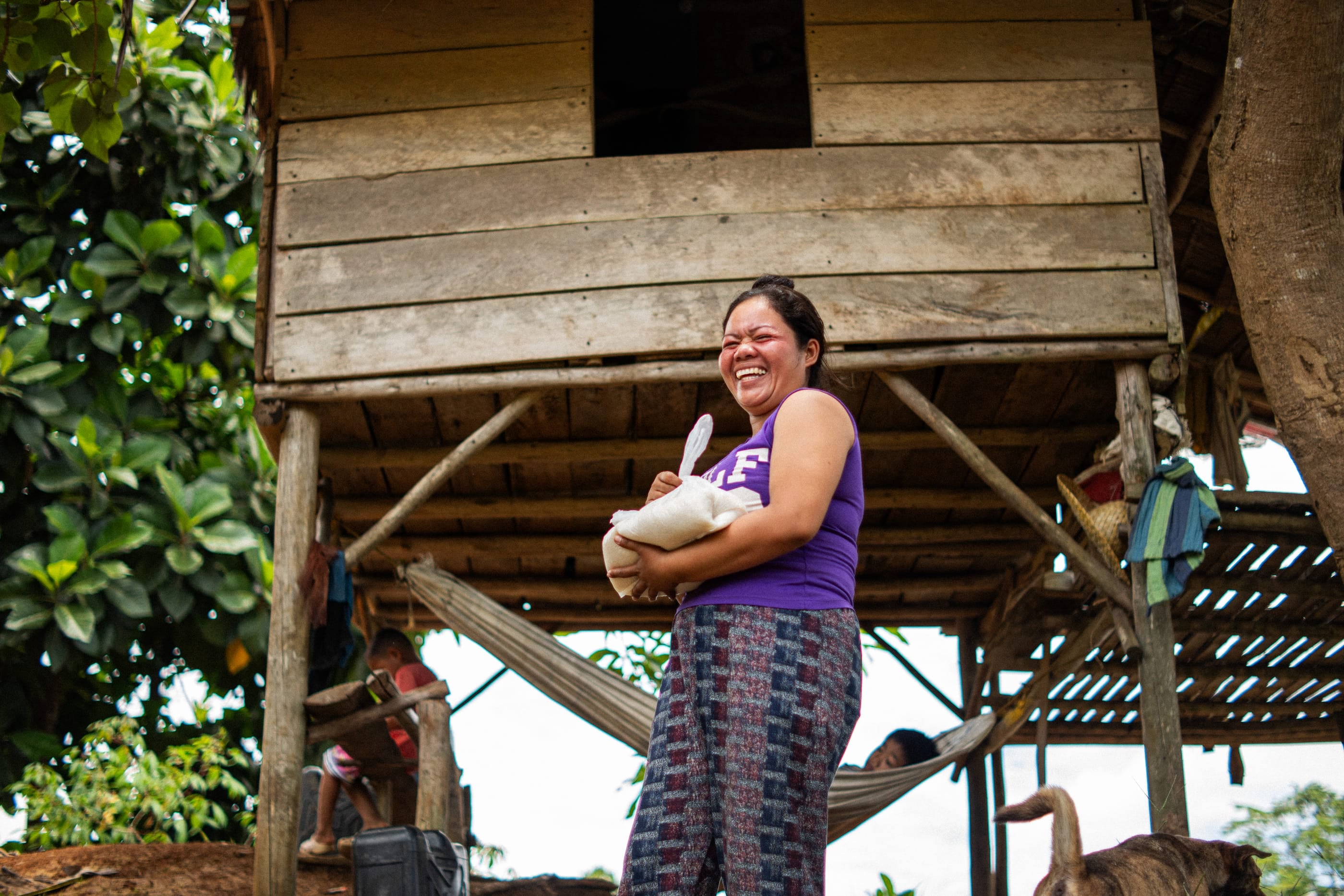
We landed on 25 kilograms after time in the field. It’s the weight one person can carry. It fits on the back of a motorbike. It feeds a family of 4–6 for a full month. And at $50 a month, it’s a number a donor can hold in their mind: one family, fed every month.
Every giving tier we offer is built around this unit. Every field report shows this bag. Every family photo, taken only with the family’s consent, features this bag in their hands.
 Feeding AsiaRice · For one family
25kg: The most important unit in everything we do.
- Feeds
- 4–6 people
- Lasts
- 30 days
- Sponsor
- $50/mo
The weight one person can carry. It fits on the back of a motorbike. It feeds a family of 4–6 for a full month.
- People rely on rice as their primary food source globally
- 3.5B
- Of the world's rice is grown and consumed in Asia
- 90%
- Of daily calories for many Asian families comes from rice
- 70%
- Minimum harvests per year from a single Feeding Asia field
- 3×
$50 a month. One family. One month.
Now you know why we chose rice. Here's how you can be part of getting it to the families who need it.